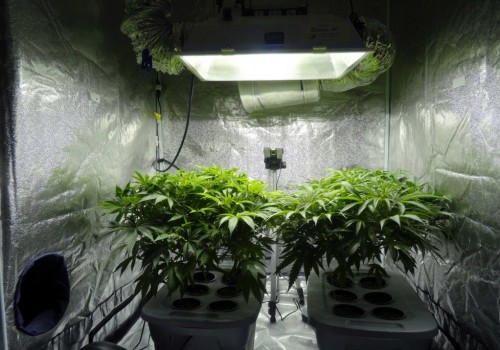
Hemp hydroponics is often viewed as a modern cultivation method focused on water efficiency, controlled environments, and consistent plant quality, but it is also heavily shaped by state and federal regulations. Because hemp is legally defined by its THC concentration, growers cannot focus only on plant health, yield, or production efficiency. They must also operate within rules that govern licensing, testing, recordkeeping, disposal, transportation, and crop reporting. Hydroponic systems may allow cultivators to manage nutrients, lighting, humidity, and water use with precision, but regulatory compliance remains just as important as agricultural performance. A crop that grows successfully can still create legal problems if it exceeds allowable THC limits, lacks required documentation, or is produced without proper approval. This makes regulatory awareness essential for any business using hydroponics to cultivate hemp.
Federal Rules Shape Basic Compliance
Federal hemp regulations establish the foundation for lawful production, including THC limits, testing expectations, and requirements for handling noncompliant crops. Hydroponic growers must understand how these rules apply to indoor or controlled-environment cultivation, where growing cycles may differ from traditional field farming. Because hydroponic operations can produce multiple harvests throughout the year, businesses may need strong internal systems for tracking planting dates, sampling windows, harvest schedules, and laboratory results. Federal requirements also influence how hemp is transported, processed, and documented after harvest. Without accurate records, growers may struggle to prove that their crop was cultivated and handled lawfully.
State Regulations Add Another Layer
State rules can add additional requirements beyond the federal framework. Depending on the jurisdiction, hemp hydroponic businesses may need state cultivation licenses, facility inspections, zoning approval, water-use compliance, waste disposal procedures, security measures, or local permits. Some states may also impose stricter sampling methods, reporting deadlines, or rules for indoor cultivation facilities. Legal professionals, including firms such as Jordan Law Accident & Injury Lawyers, understand how compliance, documentation, and legal responsibility can affect businesses when regulations are detailed and consequences are significant. For hemp hydroponic operators, that same attention to regulatory detail is necessary because even a small oversight can affect licensing, crop value, or business continuity.
Compliance Supports Sustainable Cultivation
Successful hemp hydroponics requires combining cultivation expertise with disciplined compliance management. Growers should maintain records for seeds or clones, nutrient inputs, testing results, harvest batches, sales, transportation, and disposal when required. They should also monitor changes in state and federal law because hemp regulations continue to evolve, especially around cannabinoids, processing, and product safety. Hydroponic businesses may also need to coordinate with processors, retailers, laboratories, and transporters to ensure compliance continues beyond the growing facility. By treating regulation as part of daily operations rather than an afterthought, hemp hydroponic growers can reduce legal risk, protect their licenses, and build stronger relationships with buyers and regulators. In a competitive industry, the ability to grow high-quality hemp matters, but the ability to prove compliance may be just as important for long-term success.